
Finding Perspective Through Giving Back
New perspective starts where comfort ends
When was the last time you did something truly out of your comfort zone? When did you have a meaningful conversation with someone who you would never cross paths with otherwise, or visit a place where you would ideally never want to have to set foot in?
We all live in our little bubbles. We live in similar neighbourhoods, work in fancy offices and our kids go to school with children from families who all live within a one-mile radius. We travel to work on public transport, but even that has now reduced to working from home, so some of us don’t even rub shoulders with strangers for our daily commute anymore. We holiday in similar places. Our social media algorithm is probably very similar, so we only read what we want to hear, further polarising our views and isolating us from those who may be different. Gone are the days where we would have printed newspapers land at our doorstep and everyone would read the same news. There is limited room for debate when everyone you meet at home, work or the bar conforms to the same set of life principles and broadly the same stories.
Volunteering, for me, isn’t about feeling good for giving back, it’s about stepping into a world I wouldn’t normally engage with in my everyday life. I want to listen, understand and see the other side of the story. I want their perspective. This is why I recently chose to volunteer at a prison. I have always been a strong advocate for volunteering that makes a lasting impact, not just on those who I am helping but on me too.
Focusing my impact
My priority when volunteering with reSOULve is to make an impact. And to have an impact, I need to be focused. One of the areas I identified was helping people in vulnerable circumstances find employment. Having work doesn’t just provide a path to financial stability, it restores self-worth, confidence, and belonging. Work gives people the chance to see themselves as contributors to society again, which is particularly powerful for anyone who has experienced homelessness, domestic abuse, or time in prison.
That’s what drew me to StandOut, an inspiring organisation that helps people rebuild their lives after release from prison. They do this through practical and personal support — helping participants develop positive mindsets and new ways of thinking, recognising trauma and building the resilience needed to handle setbacks, as well as developing key essential skills in communication and teamwork. A key part of their program is employment preparation: CV writing, mock interviews, and direct connections with employers who believe in second chances. Standout has full time coaches conducting these programs and they bring in volunteers for specific sessions.
My first reSOULve service session
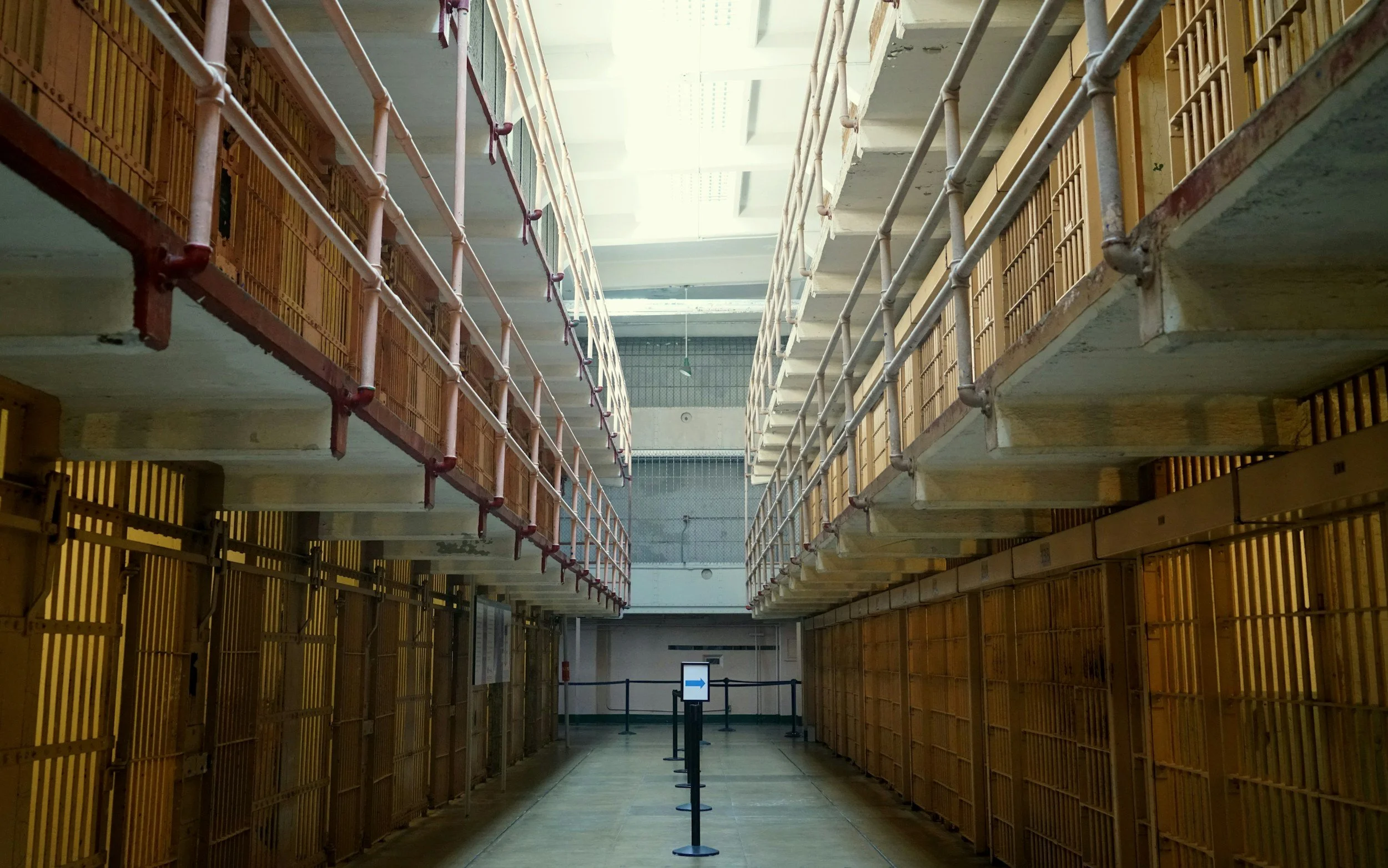
My first volunteering session took place inside HMP Wormwood Scrubs, a Category B men’s prison in West London. Walking through the gates for the first time was intimidating — I expected a cold, rigid environment. Instead, I was struck by the warmth and professionalism of the StandOut team, who guided us through security checks, introduced us to the facility, and led us to a brightly lit room where the session would be held.
The walls were covered with posters created by the men during earlier workshops, filled with words of encouragement and the positive qualities they’d identified in one another. It immediately changed the atmosphere. It wasn’t a space defined by punishment, but by growth and possibility.
After a short briefing, I was paired with one of the participants for a two-hour session to help him build a CV. Many of the participants that Standout helps have disrupted work histories. At first, it felt daunting to come up with a good CV. I have only ever helped my friends/family with straightforward education and work histories. When you live in a world where we are defined by the institutions we come from, what is it like to find a job if that very institution is a prison?
Luckily, StandOut’s CV writing approach shifts the focus away from listing institutions but toward personal skills, character, and strengths. After an engaging conversation with the participant and unravelling his life story, we turned a fragmented employment history into a confident narrative that could be shared with future employers and one that spoke to his determination to grow. I also learnt that no matter our backgrounds, there are common threads to all humans – our love for our mothers, football and food.
During the session, I met other volunteers too who were a mix of professionals, retired individuals, potential employers who hire ex-convicts and even individuals who had relatives currently in a prison. Sharing the room with people from different cultures and of different age groups - something that doesn’t happen often in our everyday lives - also brought a lot more richness of thought.
At the end of the session, the energy in the room was uplifting. It is rare to be in a room full of adult strangers that is filled with genuine compassion and wanting the best for everyone in it.
A drop in the ocean or a ripple effect?
Volunteering reminds you that every person’s story is layered and that our role isn’t to limit people, but to see their potential and help them see it too.
Of course, the challenges these men face don’t end with one session. Finding a job after prison means overcoming barriers — stable housing, transportation, stigma, and to avoid the temptation to fall back into old habits. It’s easy to feel that a few hours of volunteering is just a drop in the ocean. However, I strongly believe that the one thing that makes us human is our sense of hope and at the end of the session, seeing the men have hope outside of prison felt like a step in the right direction.
